
Recently, I have felt inspired to ponder the idea of intermediate steps more dispassionately, and to look at them in ways that are both more discriminating and more grateful.
In climbing inwardly, and particularly with regard to touchstones that had once seemed so reliable (and that, certainly, continue to be very valuable), it’s humbling to remember that anything that’s not God needs simply to be recognized as such.
In looking around for a toehold where expected a few years ago, I remember feeling surprised not to find it exactly where I was looking. But, in thinking further about this, I’ve felt reminded of encouraging wisdom. Growing up, I used to listen – and often – to a lecture recorded long before I was born by actor Alan Young who mused that expecting yesterday’s solution to automatically address today’s need “would be like taking a problem in mathematics and not working it out but putting down an answer that we like,” not because it’s the right answer but because “it’s one we used before and it worked.”
As I at least attempt to better learn this lesson, I’ve loved considering how miraculously Moses was able to see an answer when being willing to so famously strike a rock but, also, how much trouble he got into later when, instead of speaking to a water-bearing rock as he was directed to do, he broke out his old, seemingly more tried-and-true tool, even though his only really tried and really true tool was obedience.
Often, when interacting with a university system that seemed to want to resist acknowledging that student intelligence existed, I inwardly referred to them using the acronym IPPS, or, Institute for the Prevention of Problem-Solving.
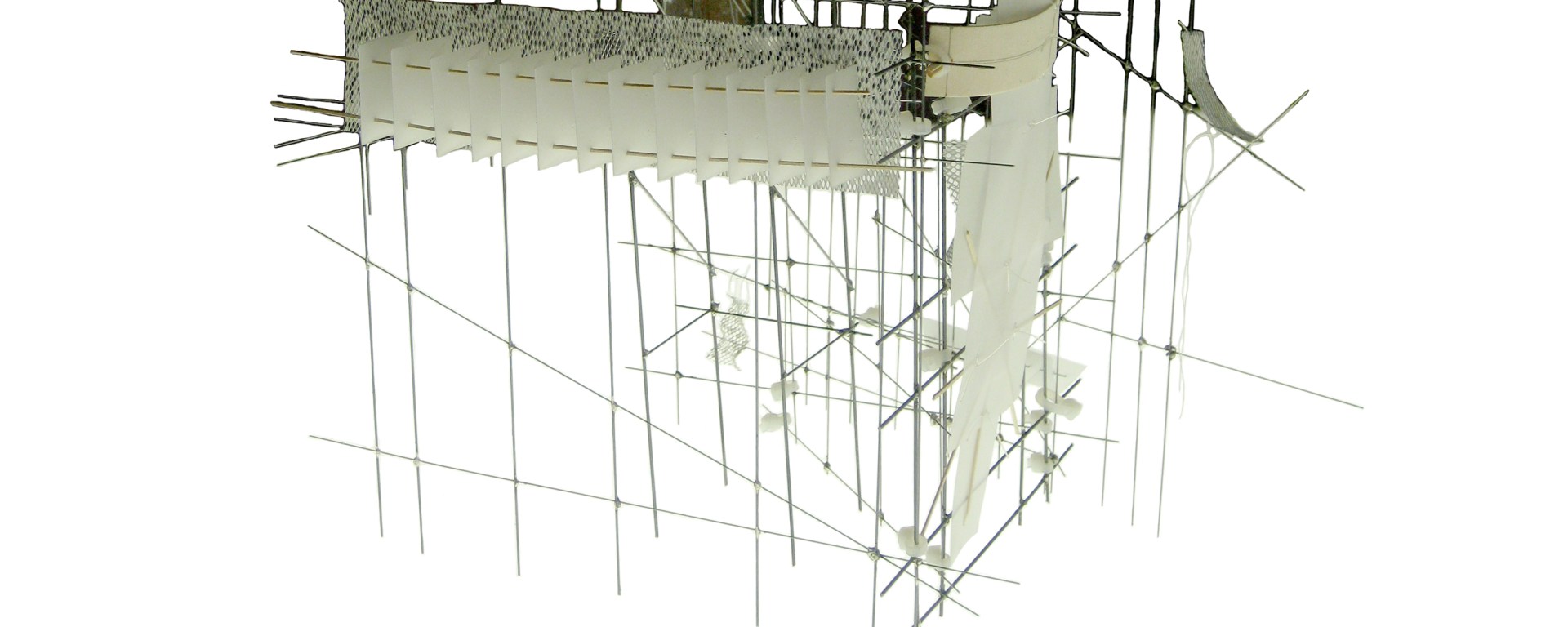
But, sometimes, when one goes from feeling such a scaffold is lifting her up to holding her down, it is not the scaffold that has moved. While I believe there are exceptions (and that media corporations, many times, fall into this category), Institutes for the Prevention of Problem Solving could, most times, be re-conceived as more neutral IKTS, or, Insititutes for Keeping Things the Same.
Particularly as organizational critiques seem to increasingly be articulated where least expected, I’ve begun to look at persecution in particular in a new light and judge a little less when wondering how new perspectives on old frameworks can come to be.

